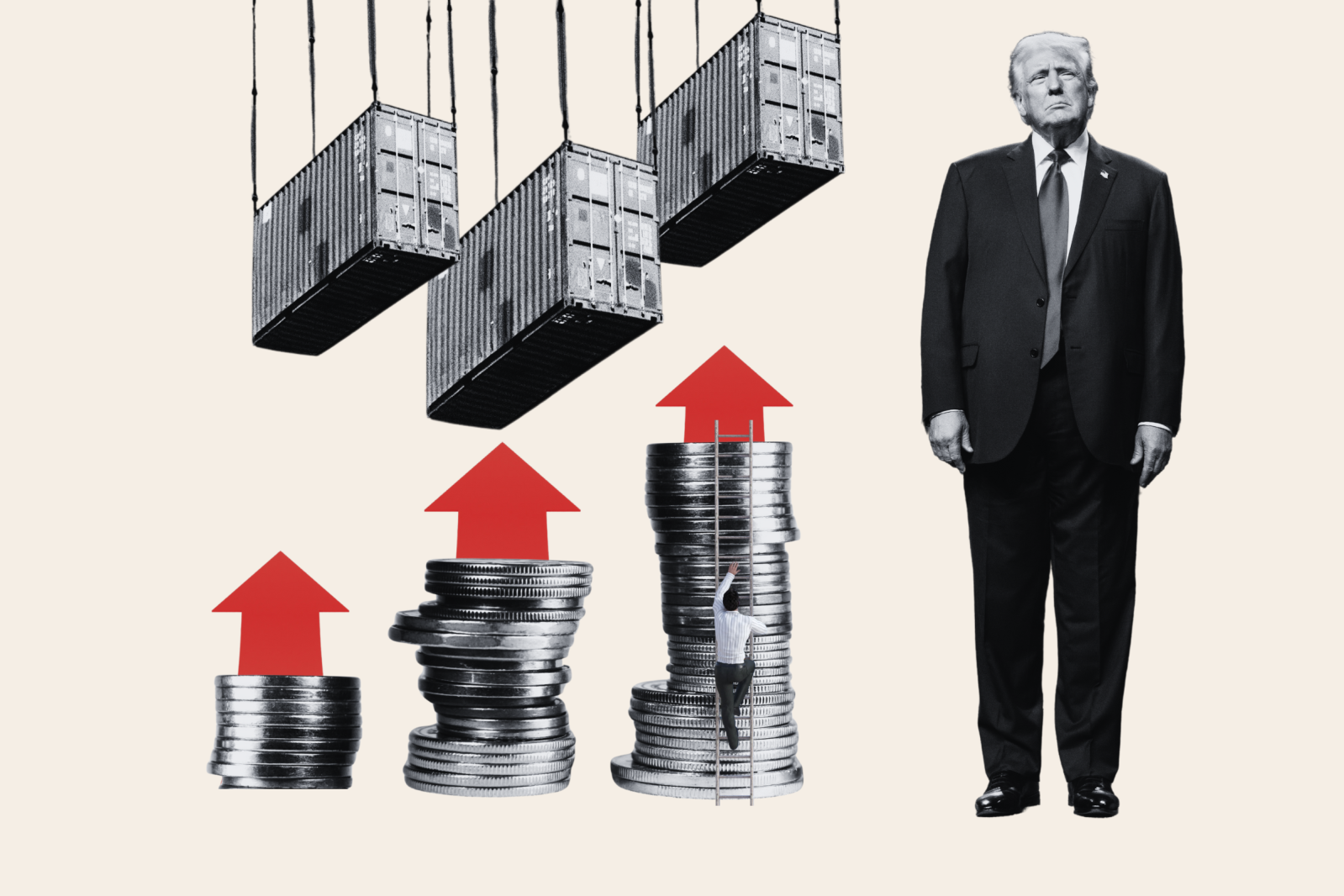
President Donald Trump threatened Canada with additional tariffs, saying in a social media post on Jan. 29 that he’d impose a 50% levy on Canadian aircraft sold in the US and decertify all new planes made there.
He didn’t give a specific start date or mention a legal authority for the tariffs, which seemed aimed at increasing leverage on Ottawa to approve certain jets made by Gulfstream, a unit of US-based General Dynamics Corp. A White House official said Trump’s decertification announcement would only affect new planes and spare thousands of jets already in operation.
The previous week, the US president said he’d boost duties on Canadian products to 100% if Ottawa signed a trade deal with China.
The moves are among a series of tariff threats Trump has made this year, including a warning to South Korea earlier this week that it faces additional import duties of 25%. He cited what he said was the failure of the country’s legislature to codify the trade deal the two nations reached last year.
Trump has ratcheted up trade tensions with several other allies in recent weeks, proposing to slap new charges on European countries’ goods for their opposition to his plan to seize control of Greenland.
In the meantime in Washington, the Supreme Court has yet to issue a decision on Trump’s use of the International Emergency Economic Powers Act of 1977 to justify tariffs. In several social media posts, Trump has called the case before the high court the most consequential in the nation’s history, mostly because he views tariffs as a way to fix the nation’s unsustainable fiscal trajectory and pressure foreign governments to bend to his wishes.
Here’s a compilation of measures both implemented and planned so far, accompanied by a Bloomberg Economics view on the effect.